
Thoughtful Care from an Exotic Veterinarian in Clifton Park, NY
Exotic pets bring a different kind of joy to the households that care for them. Whether it’s the quiet curiosity of a reptile, the intelligence of a bird, or the lively personality of a small mammal, these animals quickly become important companions. Because their needs differ so greatly from dogs and cats, they benefit from care provided by a veterinary team familiar with the unique health considerations of nontraditional pets.
Our exotic veterinarian in Clifton Park, NY, Dr. Michelle Kelley, helps you make sense of your pet’s individual needs, from daily care questions to changes in behavior. Getting to know what is normal for your animal helps you notice when something changes. Our team pairs careful examinations with conversations about life at home so you can feel more confident caring for your pet.
Regular veterinary visits are one of the best ways to protect your exotic pet’s health. Call us at (518) 383-6254 to schedule an appointment.
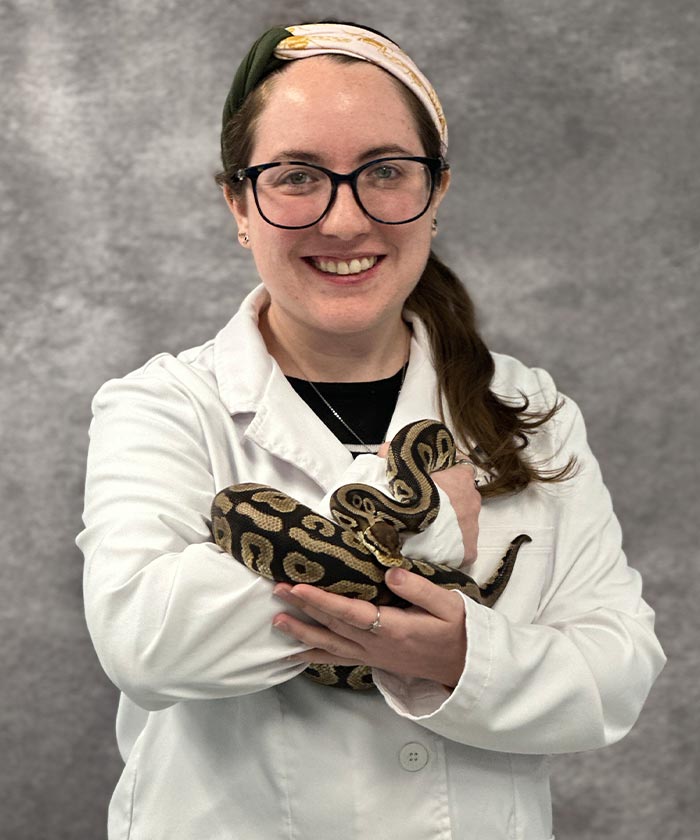
Meet Cornerstone's Exotics Vet
Dr. Michelle Kelley, DVM, Certified Veterinary Acupuncturist, provides exotic pet care at Cornerstone Veterinary Hospital of Clifton Park. She earned her veterinary degree from Purdue University and completed a Small Animal Medicine and Surgery internship followed by a Zoological Medicine Specialty Internship.
Dr. Kelley’s experience includes birds, reptiles, and exotic companion mammals. She enjoys helping owners connect their pets’ daily care with their health, including the effects of nutrition and husbandry.
She also holds certification through CuraCore Medical Acupuncture, with a focus on exotic species. Her background includes wildlife and zoological animal experience through programs and internships in the United States, South Africa, and China.
What Happens During an Exotic Pet Wellness Exam?
An exotic pet wellness exam includes a physical examination and a discussion of your pet’s diet, behavior, and living environment. We look at your pet’s current condition and ask about daily routines to build a clearer picture of their health.
During the appointment, our team may:
- Check weight and body condition
- Examine your pet using species-appropriate handling
- Ask about appetite, activity, and bathroom habits
- Review food, supplements, and feeding schedules
- Discuss enclosure setup, temperature, humidity, and lighting
- Answer questions about enrichment and daily care
You know your pet’s habits best, so your observations matter. Sharing changes you have noticed helps Dr. Kelley assess your pet and explain any recommended next steps.
What Are the Signs of Illness in Exotic Pets?
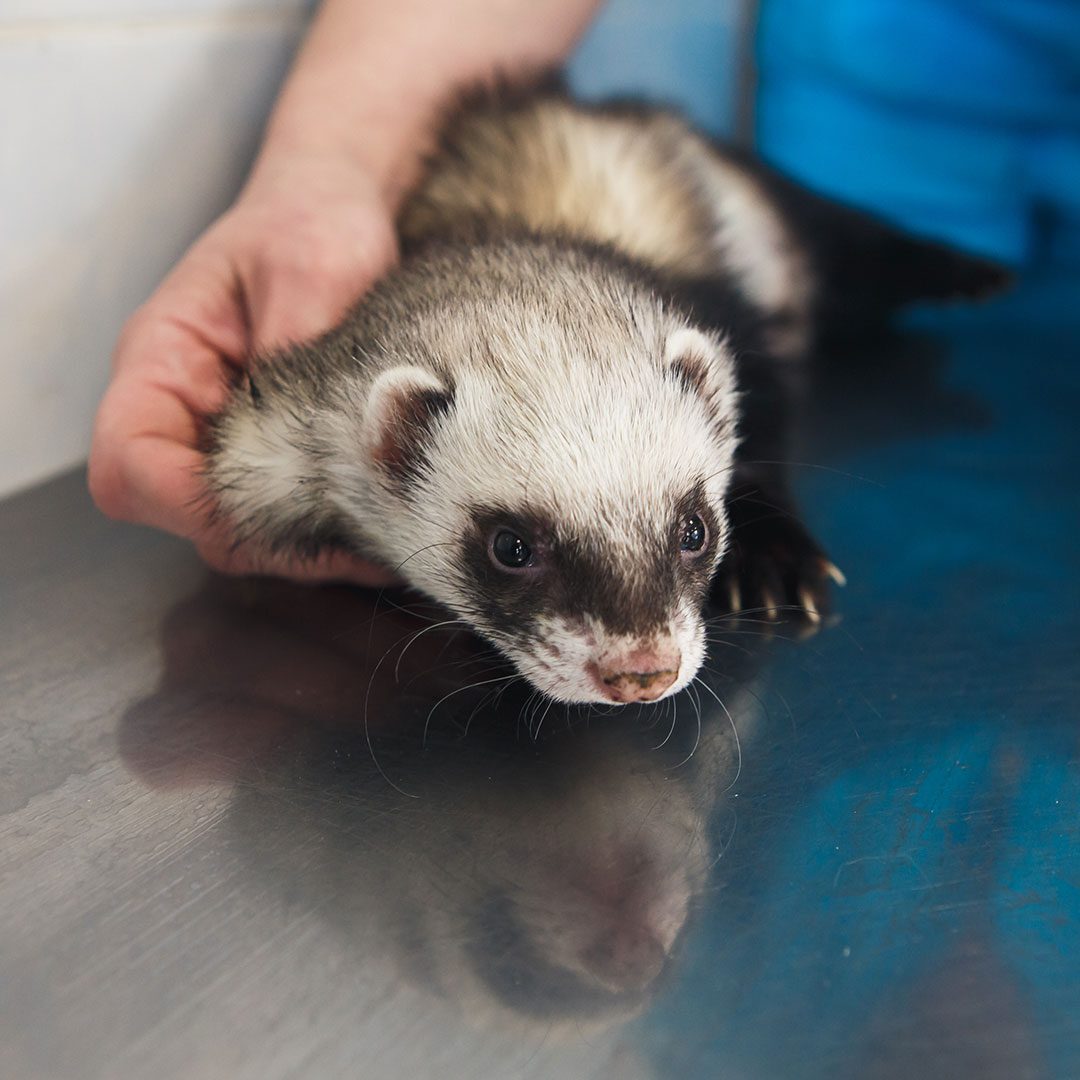
Signs of illness in exotic pets can include changes in appetite, activity, weight, droppings, breathing, or movement. These changes may be subtle, especially in animals that instinctively hide discomfort.
Contact our team if you notice:
- Eating or drinking more or less than usual
- Reduced activity, unusual hiding, or less interaction
- Unexplained weight changes
- Changes in droppings or urination
- Differences in skin, feathers, fur, or scales
- Trouble climbing, perching, or moving
- Changes in breathing or vocal sounds
Even small shifts in behavior can indicate that something has changed in your pet’s health or environment. If you observe unusual symptoms, scheduling an evaluation with our exotic veterinarian can help determine what may be affecting your pet and what steps to take next.
How Does Proper Habitat and Husbandry Affect Exotic Pet Health?
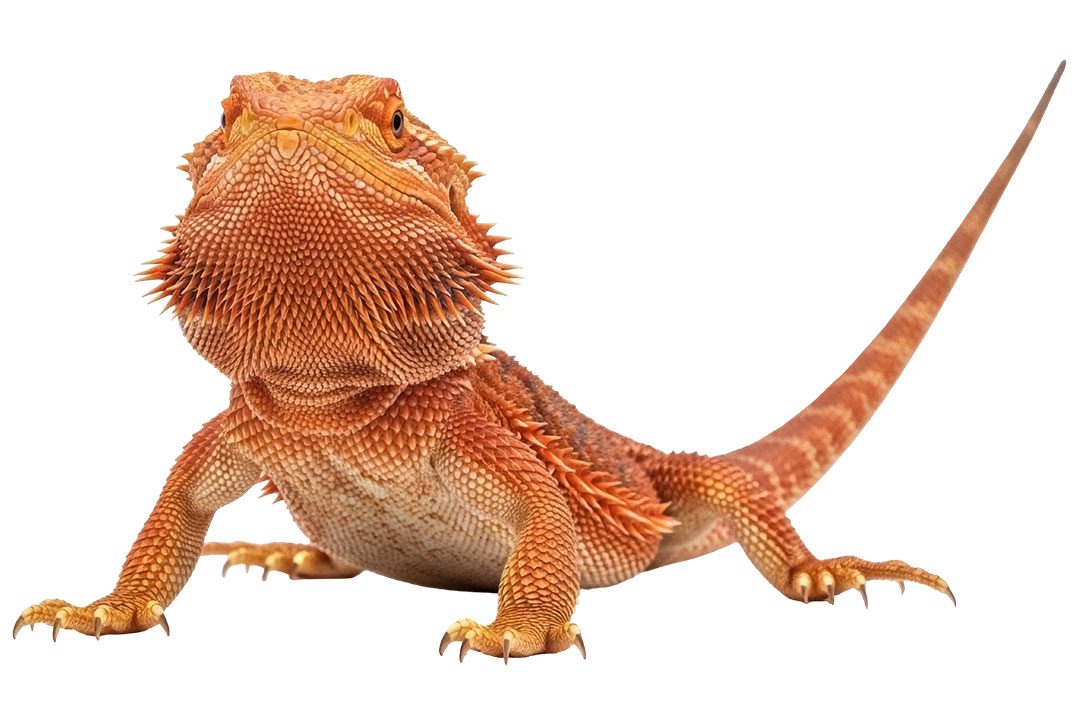
Your pet’s habitat and husbandry, meaning their housing and daily care, directly affect their health. Depending on the species, inappropriate temperatures, lighting, humidity, or nutrition can contribute to illness.
During a visit, we may discuss:
- Enclosure size, layout, and ventilation
- Bedding or substrate
- Temperature and heat sources
- Lighting, including UVB when appropriate for the species
- Humidity levels
- Food choices and feeding routines
- Opportunities to hide, climb, forage, or express other natural behaviors
Photos of your pet’s enclosure can help us understand their setup. Our team can explain which conditions fit your pet’s needs and discuss any recommended changes.
If you are looking for a trusted exotic veterinarian in Clifton Park, we’re here to help. Call (518) 383-6254 today to schedule an appointment and learn how we can support your exotic pet’s care.
Frequently Asked Questions About Exotic Pets
In veterinary medicine, “exotic pet” generally refers to a companion animal other than a dog or cat. Examples include birds, reptiles, rabbits, ferrets, guinea pigs, and other small mammals. The term describes a broad group of animals with different care needs; it does not necessarily mean an animal is rare or wild.
Some exotic pets need vaccinations, depending on their species, health, and exposure risks. Ferrets commonly receive rabies and canine distemper vaccines, while rabbits may benefit from vaccination against rabbit hemorrhagic disease virus type 2, or RHDV2. Your exotic veterinarian can explain which vaccines apply to your pet and discuss availability.
Bring previous veterinary records, vaccination history, and a list of medications or supplements. Details about your pet’s food, feeding routine, and enclosure also help our team understand their daily care.
Helpful items include:
- Photos of the enclosure and its lighting or heating equipment
- Food names, labels, or photos
- Notes about temperature and humidity, when relevant
- Videos of any unusual behavior
- Questions you would like to discuss
Call (518) 383-6254 before your visit to ask about suitable transport and whether our team needs any samples or additional information.