Slowing the Spread of Disease
with Cat and Dog Vaccinations
in Clifton Park, NY
Perhaps you feel unsure about vaccinations. Are they truly safe? Do they really work? At Cornerstone Veterinary Hospital of Clifton Park, our veterinarians strongly recommend vaccines for all patients, but we also believe that each pet must be treated as an individual with their own unique needs.
Cat and dog vaccinations in Clifton Park, NY help protect pets from serious contagious diseases, including rabies, distemper, parvovirus, leptospirosis, Lyme disease, feline leukemia, and respiratory infections. Vaccines work by training your pet’s immune system to recognize certain viruses or bacteria so their body can respond more effectively if they are exposed.
Has your pet had their vaccinations for the year? If not, give us a call today at (518) 383-6254 or make an appointment online.
Our Vaccines for Cats and Dogs
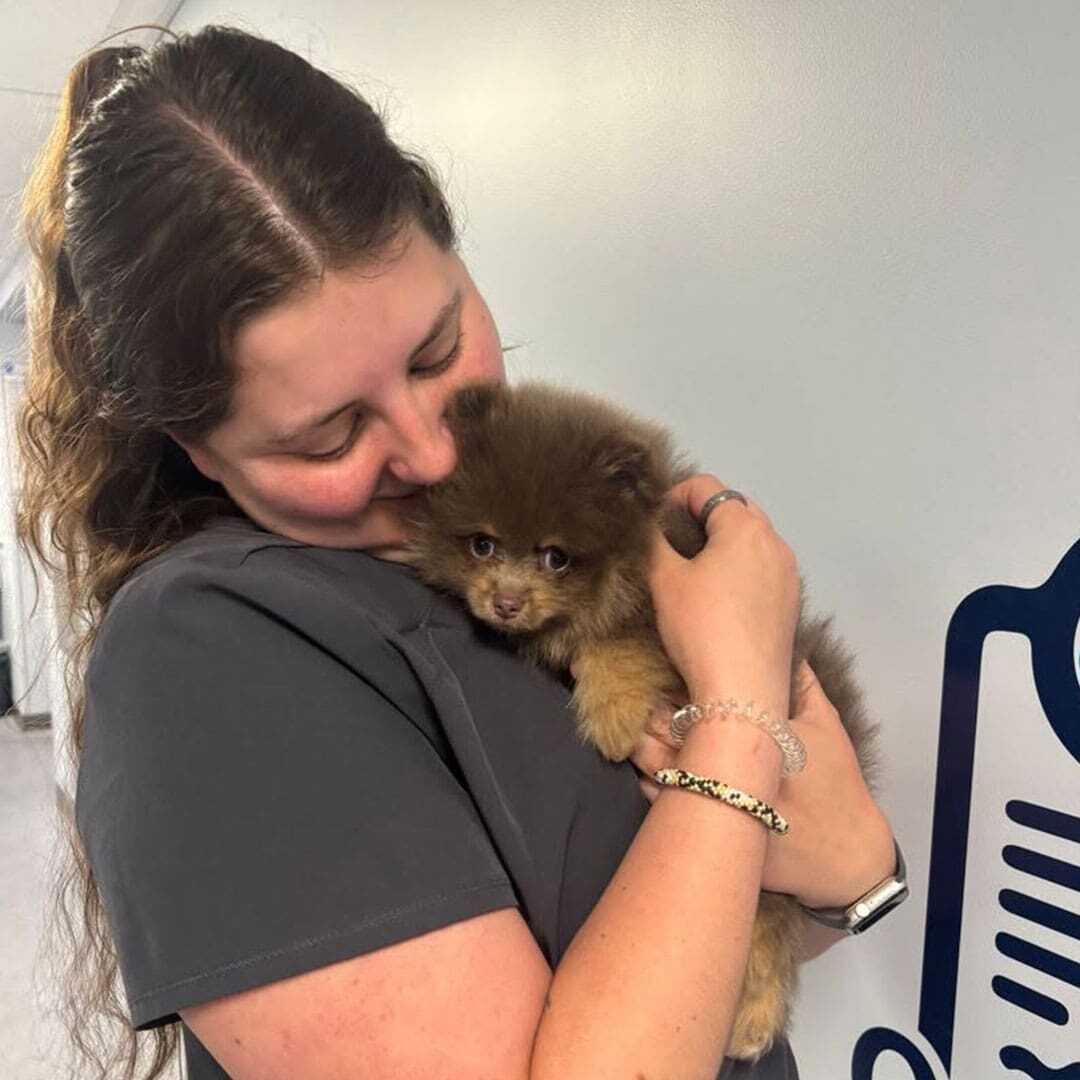
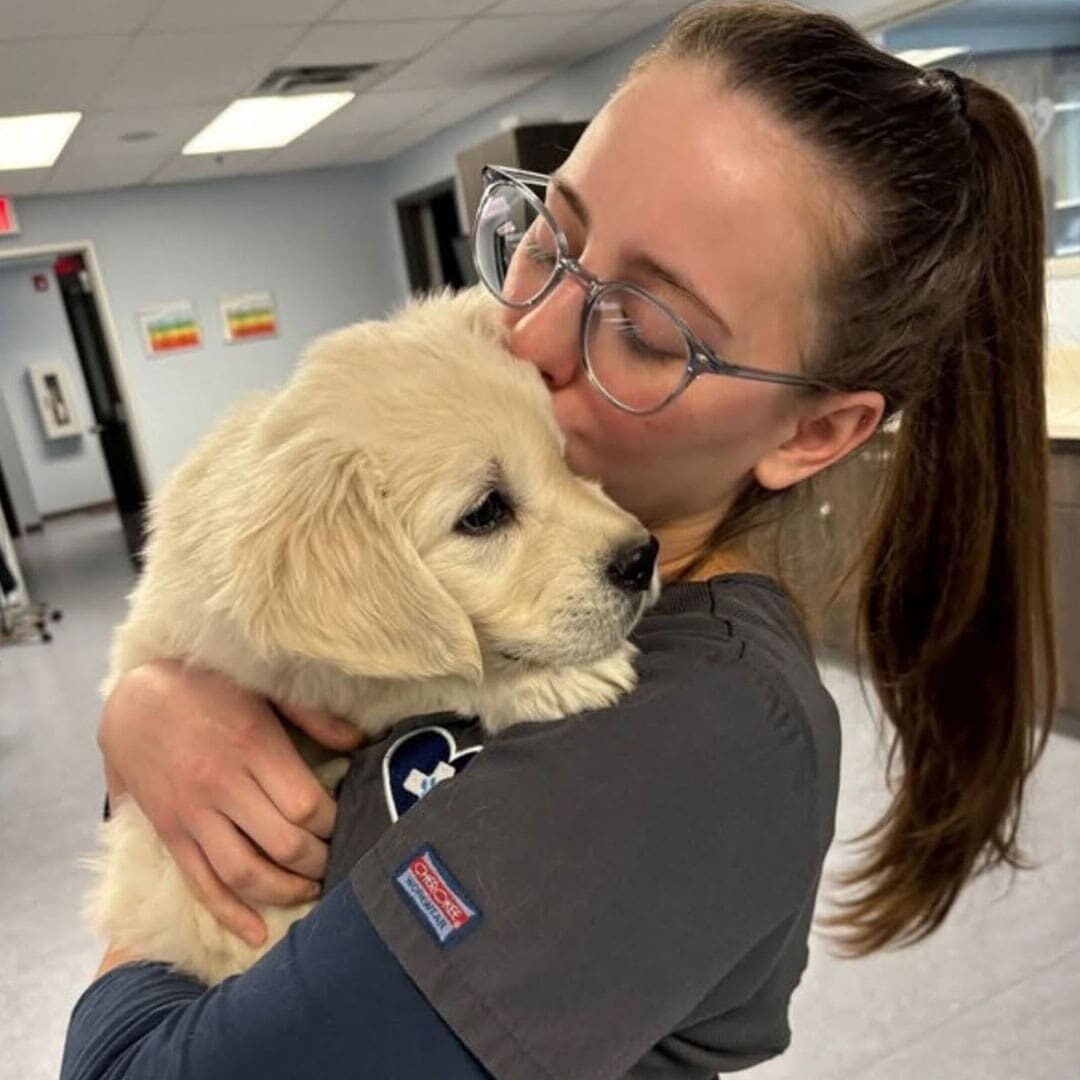
Pet vaccinations must be given on a regular schedule to remain effective. Puppies and kittens usually begin their first vaccine series at approximately 6 to 8 weeks old, followed by boosters as their immune systems develop. Adult dogs and cats also need ongoing vaccine boosters to help maintain protection throughout their lives.
At Cornerstone Veterinary Hospital of Clifton Park, we offer core vaccines that are recommended for most pets, along with lifestyle-based vaccines that may be recommended depending on your pet’s daily routine and risk of exposure.
Dog Vaccines
- Rabies
- Distemper/Parvo combo (DHPP)
- Lyme
- Leptospirosis
- Bordetella
- Canine influenza
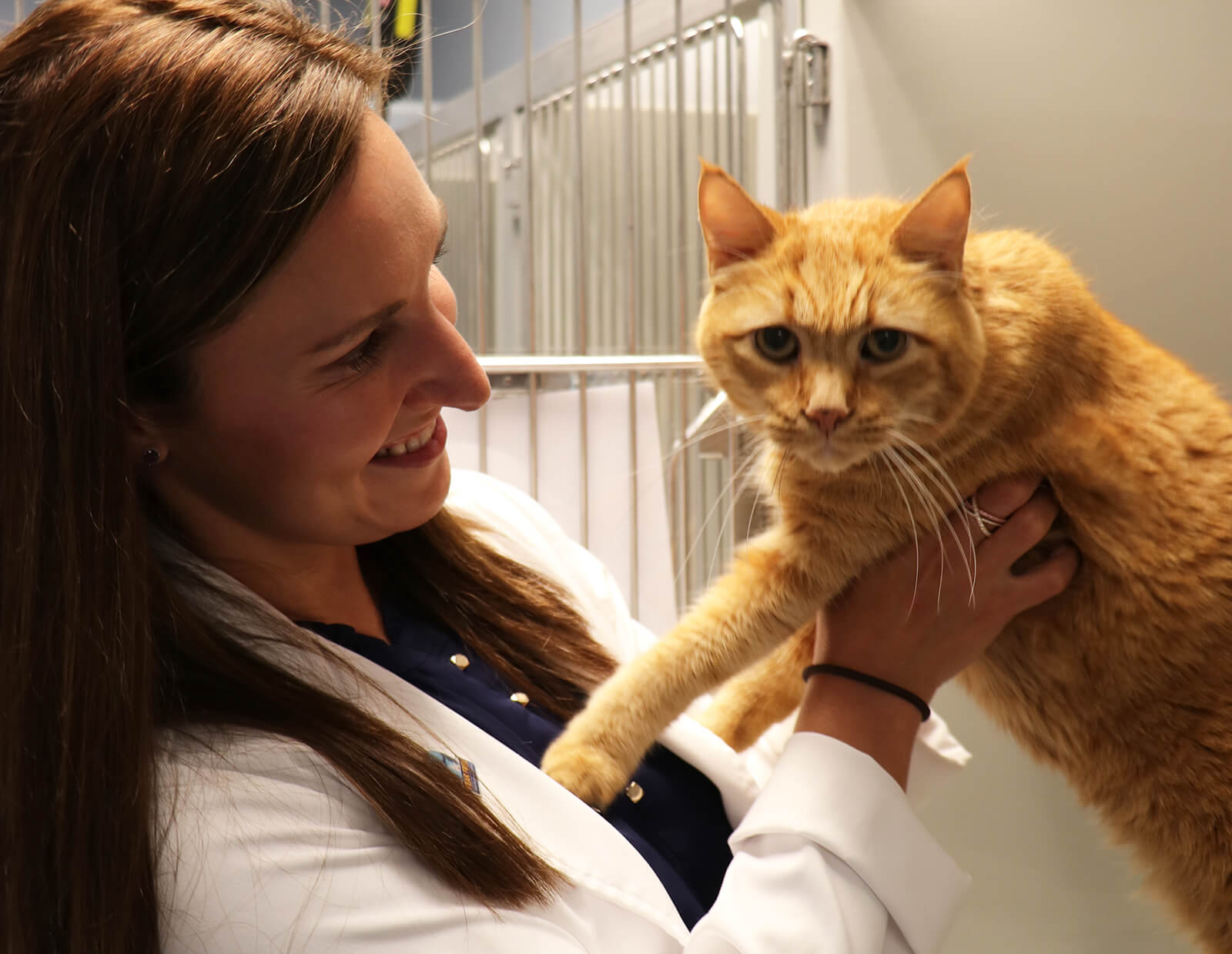
Cat Vaccines
- Rabies
- Feline Distemper (FVRCP)
- Feline Leukemia (FeLV)
What Happens During My Pet’s Vaccination Appointment?
A vaccination appointment is also an opportunity to check in on your pet’s overall health. Before giving vaccines, our veterinarians will examine your pet and review their history to make sure they are healthy enough for vaccination that day.
During the visit, we may discuss:
- Your pet’s vaccine history
- Their lifestyle and exposure risks
- Travel, boarding, daycare, grooming, or dog park plans
- Your pet’s age and long-term health needs
- Any past vaccine reactions or health concerns
After your pet receives their vaccines, we’ll let you know when they are due for their next boosters. If your pet is starting a puppy or kitten vaccine series, we’ll help you plan each visit so they stay on schedule.
Choosing the Right Vaccines for Your Pet’s Needs
During your appointment, we'll help you decide which vaccines will be needed to protect your pet from diseases that may be present in their environment. By understanding your pet's lifestyle, we can plan their vaccination schedule accordingly and give them a greater chance of living the longest, healthiest life possible.
If you have any questions about our vaccines or need to make an appointment, let us know at (518) 383-6254.
Frequently Asked Questions About Cat and Dog Vaccinations
Most pet insurance plans do not cover routine vaccines under standard accident and illness coverage. However, some companies offer optional wellness or preventive care add-ons that may help reimburse the cost of vaccines, wellness exams, and other routine services.
Core vaccines are recommended for most dogs because they protect against serious and potentially life-threatening diseases. These typically include rabies, distemper, parvovirus, and adenovirus. Your dog may also need lifestyle-based vaccines, such as Bordetella, leptospirosis, Lyme, or canine influenza, depending on their age, health, travel habits, boarding plans, and exposure risk.
Yes, indoor cats still need vaccines. Even cats who never go outside can be exposed to certain illnesses through open doors, screened windows, other pets, boarding, grooming visits, or accidental escapes. Core vaccines, including rabies, feline viral rhinotracheitis, calicivirus, and panleukopenia (FVRCP), help protect cats from serious diseases.
Puppies and kittens usually begin their first vaccines around 6 to 8 weeks of age. They then need a series of booster vaccines every few weeks until they are about 16 weeks old to build strong protection as their immune systems develop. Because timing matters, we recommend scheduling your puppy or kitten’s first wellness visit early so our veterinary team can start them on the right vaccine schedule.