Degenerative Myelopathy in Dogs
Degenerative myelopathy in dogs is a progressive spinal cord disease that often takes pet owners by surprise. What starts as a slight wobble in your dog’s gait can slowly progress to weakness and paralysis in the hind limbs. While it’s a condition that primarily affects older dogs, especially certain large breeds, the emotional and physical toll it takes on both dog and owner is significant. If you’ve noticed changes in your dog’s coordination or mobility, this blog will help you better understand the condition and what steps to take. Keep reading to learn more about degenerative myelopathy in dogs, including what signs to look for and why early veterinary intervention is so important.
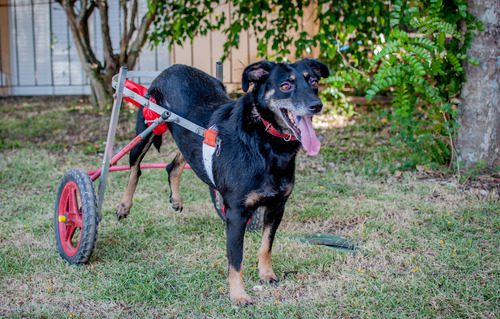
What is Degenerative Myelopathy in Dogs?
Degenerative myelopathy in dogs is a neurological disease that gradually damages the spinal cord. Over time, this condition interferes with the brain’s ability to communicate with the hind limbs. Dogs affected by this disease often begin to lose control over their back legs, leading to weakness, stumbling, and eventually paralysis. Unlike arthritis or hip dysplasia, degenerative myelopathy is not painful in its early stages, which can make the early signs easy to overlook.
This condition shares similarities with amyotrophic lateral sclerosis (ALS) in humans, also known as Lou Gehrig’s disease. Just like ALS, degenerative myelopathy in dogs is irreversible and progressive. While it typically develops in dogs eight years and older, it can also occur earlier depending on genetics. The disease is most commonly seen in German Shepherds, Boxers, Pembroke Welsh Corgis, and Chesapeake Bay Retrievers.
Degenerative Myelopathy Symptoms in Dogs
Degenerative myelopathy in dogs often develops gradually, which makes early signs difficult to recognize. However, paying close attention to changes in your dog’s movement and posture can help you catch the condition early.
Early Symptoms to Watch For
In the beginning, dogs may drag one or both hind feet, especially when walking on hard surfaces. This can cause their nails to wear down unevenly or bleed. You might notice swaying in the hind end, occasional stumbling, or difficulty standing after lying down. Your dog may also cross their back legs when walking or show signs of weakness during physical activity.
Progression of the Disease
As degenerative myelopathy in dogs advances, the symptoms become more noticeable. The hind limbs grow increasingly weak, and your dog may struggle with stairs or avoid jumping. Over time, your dog may become unable to walk, and the weakness may spread to the front limbs. Bladder and bowel control can also become affected in the later stages of the disease.
Causes and Risk Factors
The exact cause of degenerative myelopathy in dogs is linked to a genetic mutation. Specifically, it’s associated with a mutation in the SOD1 gene. Dogs that inherit two copies of this mutated gene, one from each parent, are at a much higher risk of developing the disease. However, not all dogs with the mutation will develop symptoms.
Breeds Most Commonly Affected
Degenerative myelopathy in dogs occurs more frequently in certain breeds. These include:
- German Shepherds
- Boxers
- Pembroke Welsh Corgis
- Bernese Mountain Dogs
- Chesapeake Bay Retrievers
- Rhodesian Ridgebacks
- Standard Poodles
If your dog belongs to one of these breeds, talk with your veterinarian about genetic testing. Knowing whether your dog is a carrier can help guide your long-term healthcare plans.
How Vets Diagnose Degenerative Myelopathy in Dogs
Diagnosing degenerative myelopathy in dogs can be challenging because no single test confirms the condition. Instead, veterinarians rely on a combination of clinical signs, breed predisposition, and the elimination of other neurological disorders.
Diagnostic Process
Your veterinarian may start with a complete physical and neurological exam to assess your dog’s reflexes, muscle tone, and coordination. Blood work and X-rays help rule out other conditions like arthritis, spinal tumors, or intervertebral disc disease. Advanced imaging may be recommended to further evaluate the spinal cord. A DNA test can identify whether your dog carries the SOD1 gene mutation linked to degenerative myelopathy. While a definitive diagnosis often comes through a process of elimination, early veterinary evaluation is critical for forming an effective care strategy.
Living with Degenerative Myelopathy in Dogs
While degenerative myelopathy in dogs has no cure, many dogs can continue to enjoy a good quality of life for months or even years after diagnosis with proper care and adjustments at home.
Mobility Support and Modifications
Dogs with degenerative myelopathy will gradually need help with movement. Mobility aids like rear-limb harnesses, slings, and dog wheelchairs can provide significant support. Nonslip floor surfaces, ramps instead of stairs, and orthopedic bedding all contribute to your dog’s comfort and safety.
Physical Therapy and Exercise
Low-impact exercises like swimming or underwater treadmill therapy can help preserve muscle tone and extend your dog’s mobility. Even short, supervised walks on even terrain can be beneficial. Your veterinarian may also recommend physical therapy sessions to help delay muscle atrophy.
Nutrition and Daily Care
Maintaining a healthy body weight can reduce additional stress on the limbs. Work with your veterinarian to create a nutrition plan suited to your dog’s needs. In addition, daily hygiene becomes more important as your dog’s mobility decreases. Keep an eye on pressure sores, urine scalding, and cleanliness to ensure your dog stays as comfortable as possible.
How Cornerstone Veterinary Hospital of Clifton Park Can Help
Managing degenerative myelopathy in dogs requires a team approach. At Cornerstone Veterinary Hospital of Clifton Park, we’re here to guide you and provide the support your dog needs. Our team offers mobility evaluations, diagnostics, and care recommendations to help your dog stay comfortable as the disease progresses. If you suspect your dog is showing signs of degenerative myelopathy, call us at (518) 383-6254 to schedule a consultation. Early intervention makes a difference when it comes to long-term quality of life.
Giving Your Dog the Best Possible Support
Degenerative myelopathy in dogs brings emotional and physical challenges, but you don’t have to face them alone. Understanding what to expect and making thoughtful adjustments at home can help your dog live with dignity and comfort. Stay in close contact with your veterinarian, monitor your dog’s condition, and make the most of every moment together. For pet owners in Clifton Park and surrounding areas, Cornerstone Veterinary Hospital is ready to partner with you. Call (518) 383-6254 today or request an appointment online if your dog is experiencing signs of degenerative myelopathy. We’re here to support both you and your dog every step of the way.
Recent Posts

10 Tips for New Puppy Care in Clifton Park, NY
10 Tips for New Puppy Care in Clifton Park, NY There is nothing quite like the excitement…
3 Significant Benefits of Spaying or Neutering Your Pet in Clifton Park, NY
3 Significant Benefits of Spaying or Neutering Your Pet in Clifton Park, NY We recommend spay and…
- « Previous
- 1
- …
- 24
- 25
- 26
About Us
Originally opened as Animal Care Hospital by Dr. Mark Johnston in 1989, the hospital became Cornerstone Veterinary Hospital in 2015 when it was purchased by Drs. Alan and Lisa Knott. The name 'Cornerstone' holds a special place in their hearts, representing not only their Christian faith but also their commitment to being the cornerstone of the community in which they practice. As a family-owned and operated practice, every pet is treated as part of the family, ensuring they receive the highest standard of care. The team at Cornerstone Veterinary Hospital is dedicated to building lasting relationships with clients and their beloved pets, striving to be the cornerstone of the community in which they practice.