
Thoughtful Care from an Exotic Veterinarian in Clifton Park, NY
Exotic pets bring a different kind of joy to the households that care for them. Whether it’s the quiet curiosity of a reptile, the intelligence of a bird, or the lively personality of a small mammal, these animals quickly become important companions. Because their needs differ so greatly from dogs and cats, they benefit from care provided by a veterinary team familiar with the unique health considerations of nontraditional pets.
Working with our experienced exotic veterinarian in Clifton Park allows pet owners to better understand the daily care, nutrition, and environmental conditions their pets require to stay healthy. At Cornerstone Veterinary Hospital of Clifton Park, we provide attentive veterinary care designed to support the wellbeing of a wide range of exotic species. Our team approaches exotic pet care with patience, careful handling, and close attention to each animal’s behavior and physical condition.
Regular veterinary visits are one of the best ways to protect your exotic pet’s health. Call us at (518) 383-6254 to schedule an appointment.
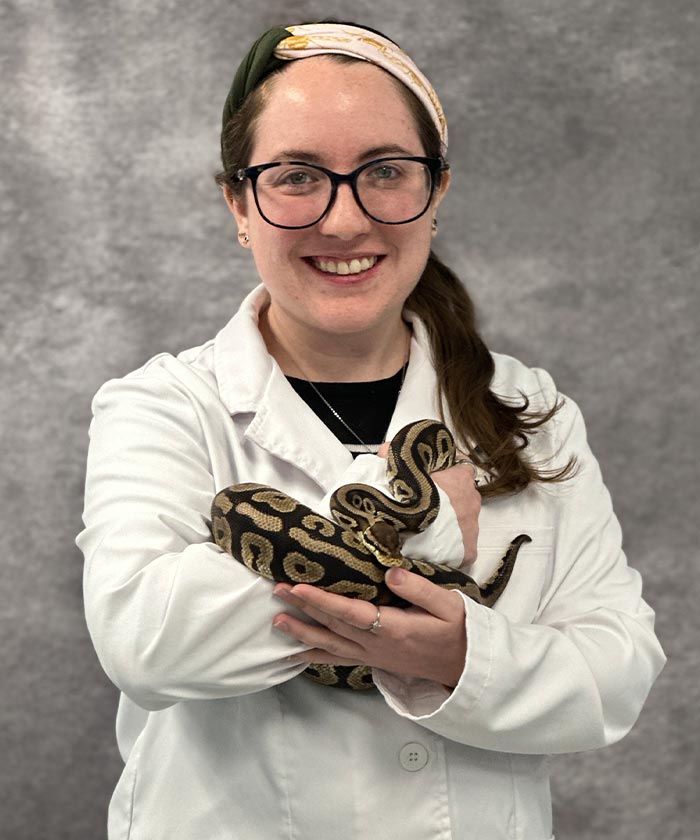
Meet Cornerstone's Exotics Vet
Dr. Michelle Kelley, DVM, Certified Veterinary Acupuncturist, brings a genuine passion for exotic animals to every appointment. After earning her veterinary degree from Purdue University, she completed both a Small Animal Medicine and Surgery internship and a Zoological Medicine Specialty Internship. Dr. Kelley provides care for birds, reptiles, and exotic companion mammals while helping pet owners better understand the husbandry that supports their pets’ health.
She is also certified in acupuncture through CuraCore Medical Acupuncture with a focus on exotic species and has gained experience with wildlife and zoological animals through programs and internships in the U.S., South Africa, and China.
Routine Wellness Visits for Exotic Pets
Preventive care plays an important role in keeping exotic animals healthy. Routine veterinary visits allow your veterinarian to track your pet’s condition over time and identify changes early.
During a wellness appointment, our veterinary team may evaluate several aspects of your pet’s health and daily care. A wellness visit may include:
- A species-appropriate physical examination
- Discussion of your pet’s normal behaviors and routines
- Assessment of body weight and body condition
- Review of diet and feeding habits
- Evaluation of the pet’s enclosure and environment
Because exotic pets often have specialized dietary and habitat needs, these visits provide valuable opportunities for education and support. Our veterinarian can answer questions about nutrition, enrichment, and daily care routines that help keep your pet comfortable and thriving. Regular checkups allow us to build a clearer picture of your pet’s health over time.
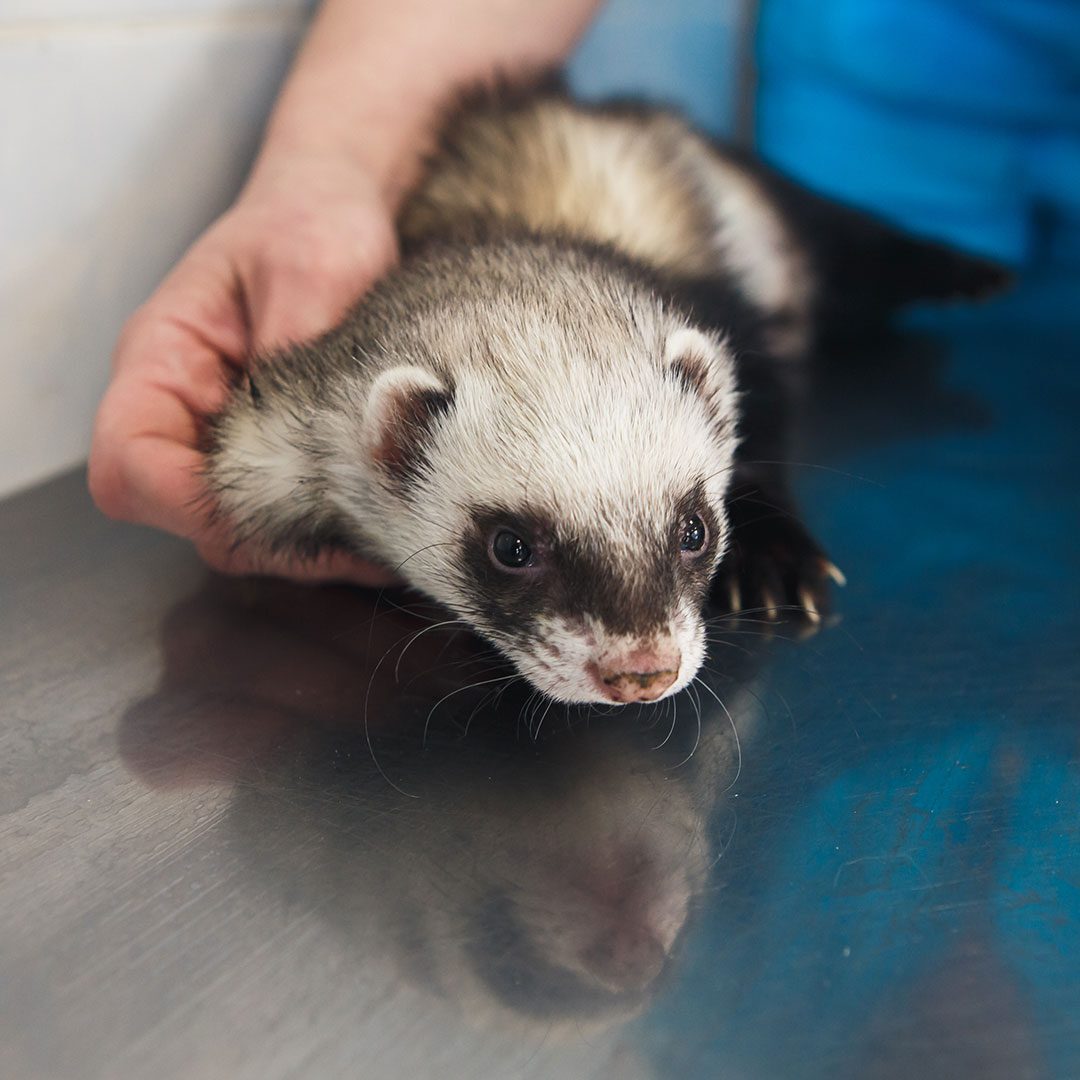
Watching for Health Changes in Exotic Pets
Many exotic animals display illness through subtle behavioral changes rather than obvious symptoms. Paying attention to your pet’s daily habits can make a significant difference in identifying concerns early.
Pet owners may notice early warning signs such as:
- Changes in eating or drinking patterns
- Reduced activity or unusual hiding behavior
- Sudden weight loss or gain
- Differences in skin, feathers, fur, or scales
- Difficulty climbing, perching, or moving normally
- Changes in breathing patterns or vocal sounds
Even small shifts in behavior can indicate that something has changed in your pet’s health or environment. If you observe unusual symptoms, scheduling an evaluation with our exotic veterinarian can help determine what may be affecting your pet and what steps to take next.
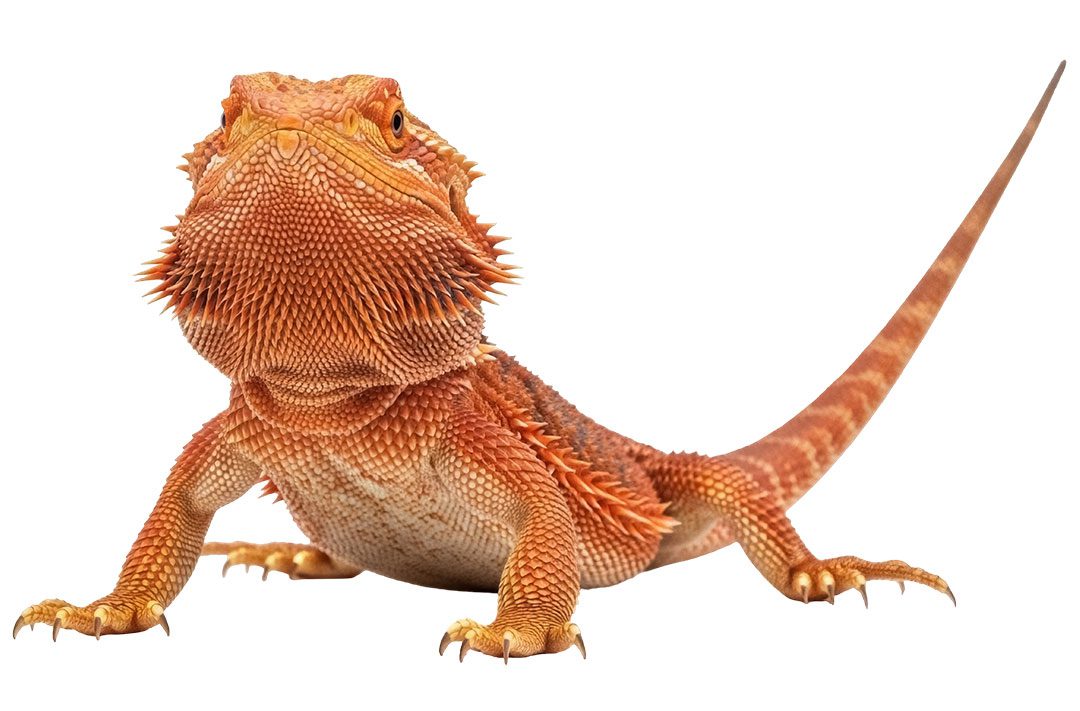
Supporting Exotic Pet Health Through Proper Habitat
For many exotic species, the environment they live in plays a direct role in their overall health. Temperature, humidity, lighting, and enclosure design can influence digestion, activity levels, and immune function. Creating a well-balanced habitat helps exotic pets maintain natural behaviors and healthy body systems.
During veterinary visits, our team may review elements of your pet’s setup, including:
- Enclosure size and layout
- Substrate or bedding materials
- Heat sources and lighting cycles
- Humidity levels and ventilation
- Feeding schedules and diet variety
- Enrichment activities that encourage natural behaviors
Small adjustments to a habitat can sometimes make a meaningful difference in an exotic pet’s comfort and health. At Cornerstone Veterinary Hospital of Clifton Park, we work closely with pet owners to help ensure their animals live in environments that support their natural needs.
If you are looking for a trusted exotic veterinarian in Clifton Park, our veterinary team is here to help. Call us today at (518) 383-6254 to schedule an appointment and learn how we can support your exotic pet’s care.